Vehicle Diagnostics
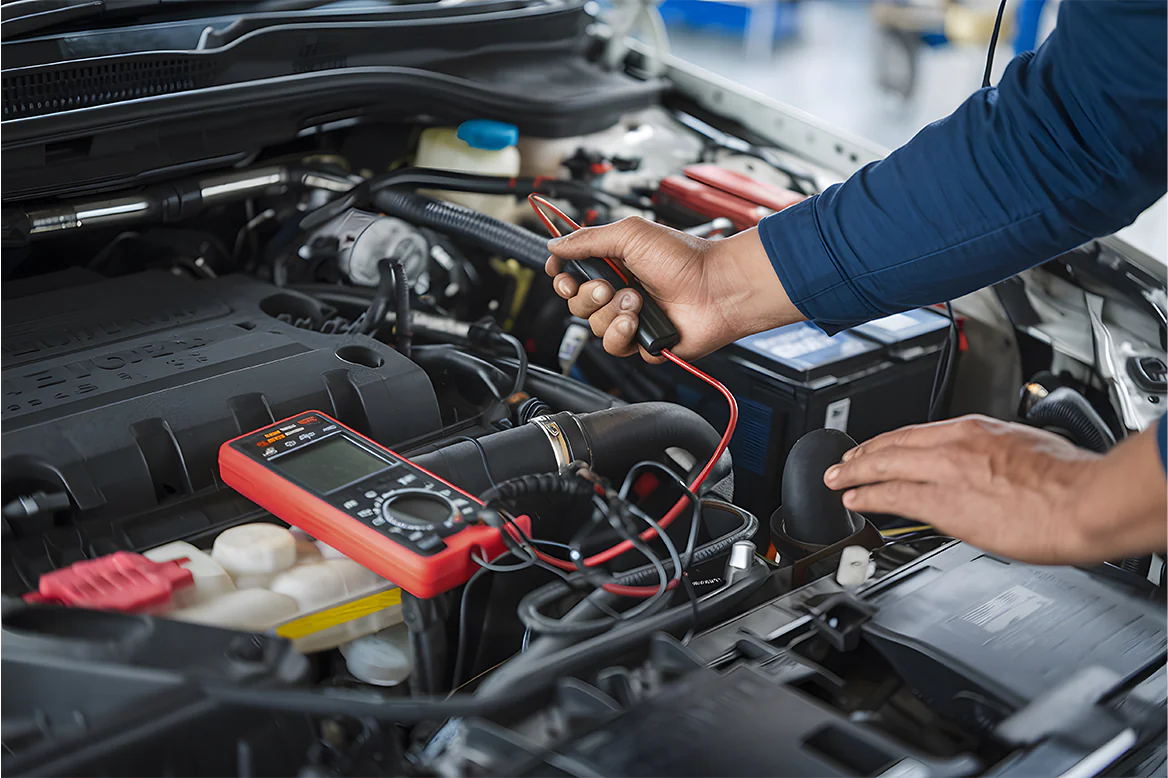
Modern vehicles contain dozens of electronic control units that monitor and manage everything from the engine to the brakes. When something goes wrong, these systems usually generate a fault code. Our diagnostic equipment reads those codes accurately and helps us pinpoint the cause before any work begins.
What the process involves
- Full scan of all available vehicle ECUs
- Fault code retrieval and interpretation
- Live data monitoring where required
- Written summary of findings provided
- Clear explanation of next steps before any work proceeds
When you'd typically need this
If your engine management light is on, you're experiencing performance issues, or you want to understand what a previous garage found, a diagnostic scan is usually the right starting point.
Brake Inspection & Repair
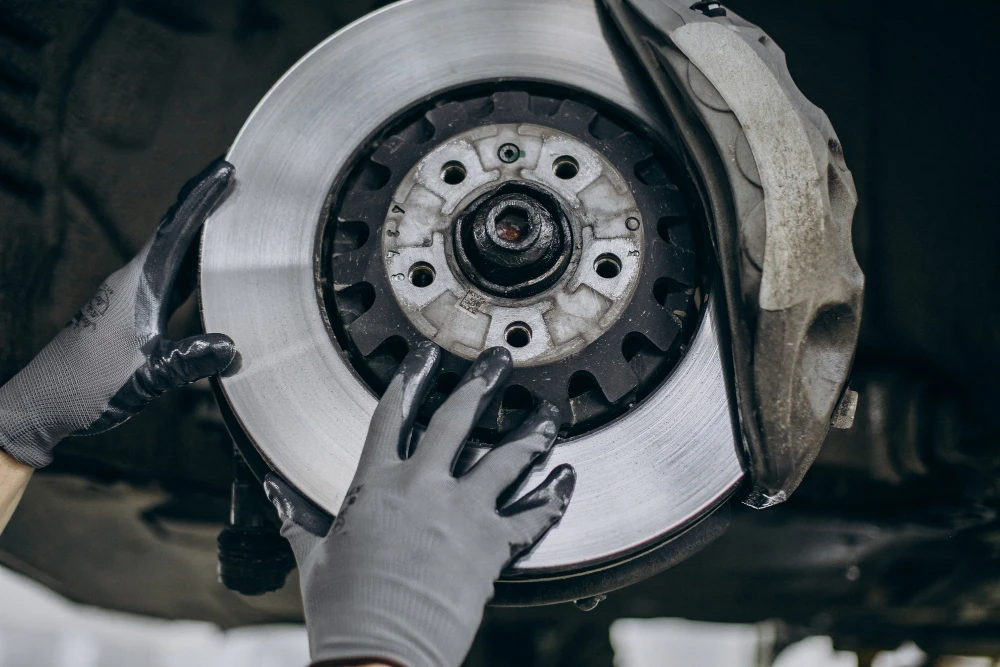
Brakes wear gradually, which means problems often develop slowly enough that drivers don't notice until something more significant goes wrong. We carry out thorough inspections of the entire brake system — pads, discs, callipers, fluid and lines — and give you a clear picture of the current condition.
What the process involves
- Measurement of pad thickness on all four corners
- Disc thickness and wear pattern assessment
- Calliper operation and condition check
- Brake fluid test (moisture content)
- Handbrake adjustment check
- Report and recommendation provided before any replacement work
Signs you might need a brake check
Squealing or grinding sounds during braking, a longer stopping distance than usual, the car pulling to one side when braking, or a spongy brake pedal are all worth investigating promptly.
Engine Diagnostics
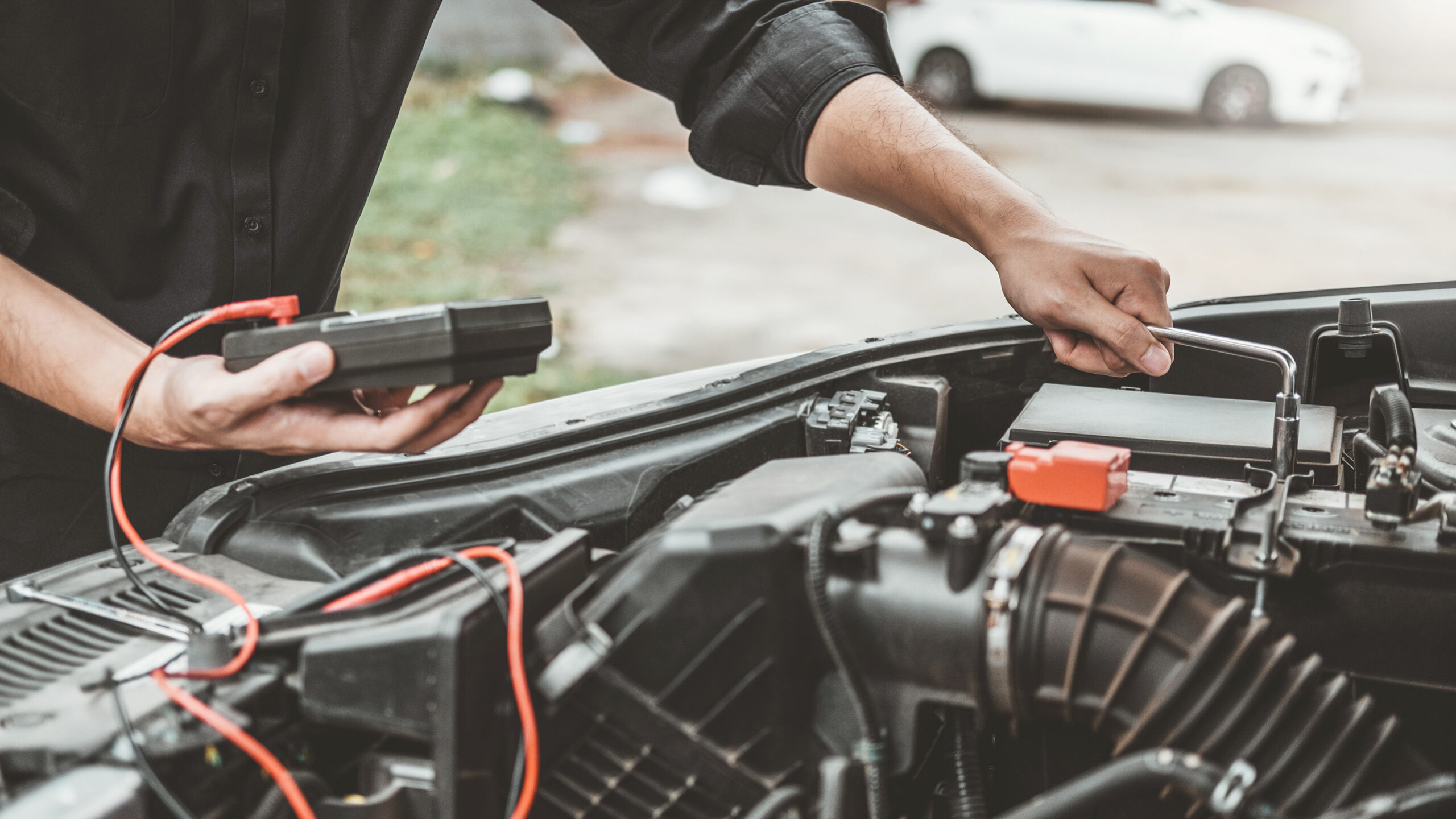
Engine-related problems can range from minor sensor faults to more significant mechanical issues. Accurate diagnosis matters here — guesswork costs time and money. We use professional-grade equipment alongside hands-on inspection to understand what's actually happening before recommending any repair.
What the process involves
- Full engine management scan
- Fuel and ignition system checks
- Air filter and intake assessment
- Coolant system visual inspection
- Oil pressure and level check
- Written fault report with recommended actions
When you'd typically need this
Engine warning lights, rough idling, misfires, unexpected power loss, smoke from the exhaust, or unusual fuel consumption are all common reasons to have the engine looked at.
Oil & Fluid Service
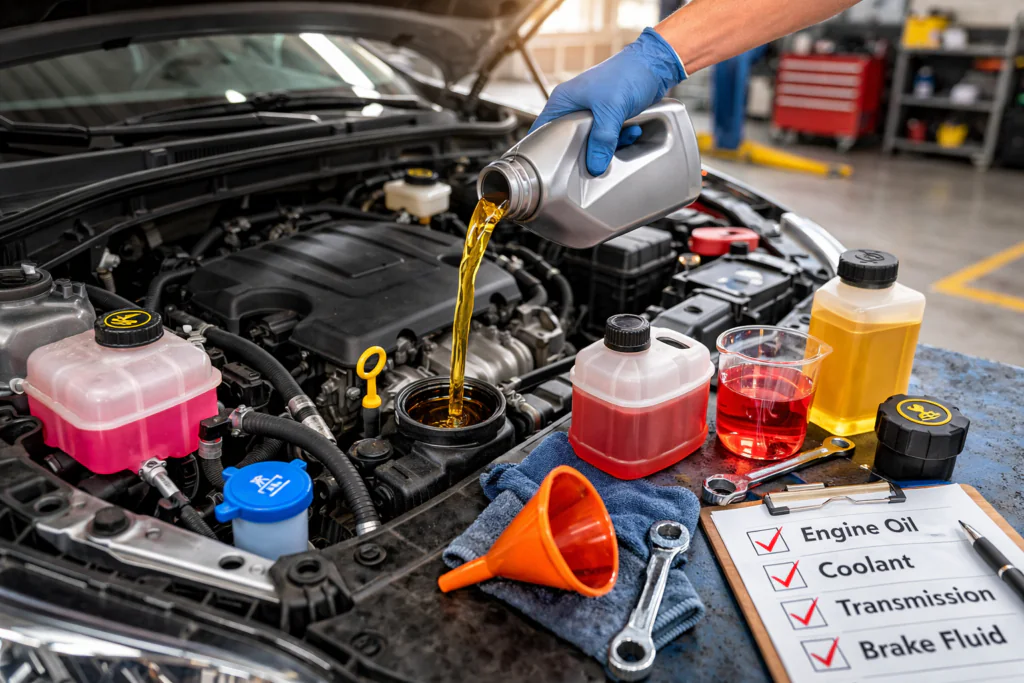
Engine oil breaks down over time, losing its ability to lubricate and protect. An oil change at the correct interval is one of the most straightforward and cost-effective things you can do to extend the life of your engine. We also check and top up other key fluids while the vehicle is with us.
What the process involves
- Drain and replace engine oil (correct specification for your vehicle)
- Replace oil filter
- Brake fluid level check
- Coolant and screenwash top-up
- Power steering fluid check (where applicable)
- Visual inspection of engine bay for leaks
How often you'd typically need this
Most manufacturers recommend an oil change every 10,000–12,000 miles or once a year, whichever comes first. Older vehicles and those used in stop-start conditions may benefit from more frequent changes. Your handbook will have the exact recommendation for your car.
Suspension Check
Worn or damaged suspension components affect handling, braking distances and tyre wear. Because suspension wear is typically gradual, drivers often adapt to a vehicle that's increasingly difficult to control. A thorough inspection helps identify what's worn and what's still within tolerance.
What the process involves
- Visual and physical check of shock absorbers and struts
- Spring condition and ride height assessment
- Suspension bush and ball joint check
- Steering rack and track rod inspection
- Anti-roll bar and drop link condition check
- Wheel bearing play assessment
Signs that suggest a suspension check is worthwhile
Knocking or clunking over bumps, uneven tyre wear, the car pulling to one side, excessive body roll in corners, or a noticeably harsher ride than usual are all worth investigating.
Battery Inspection
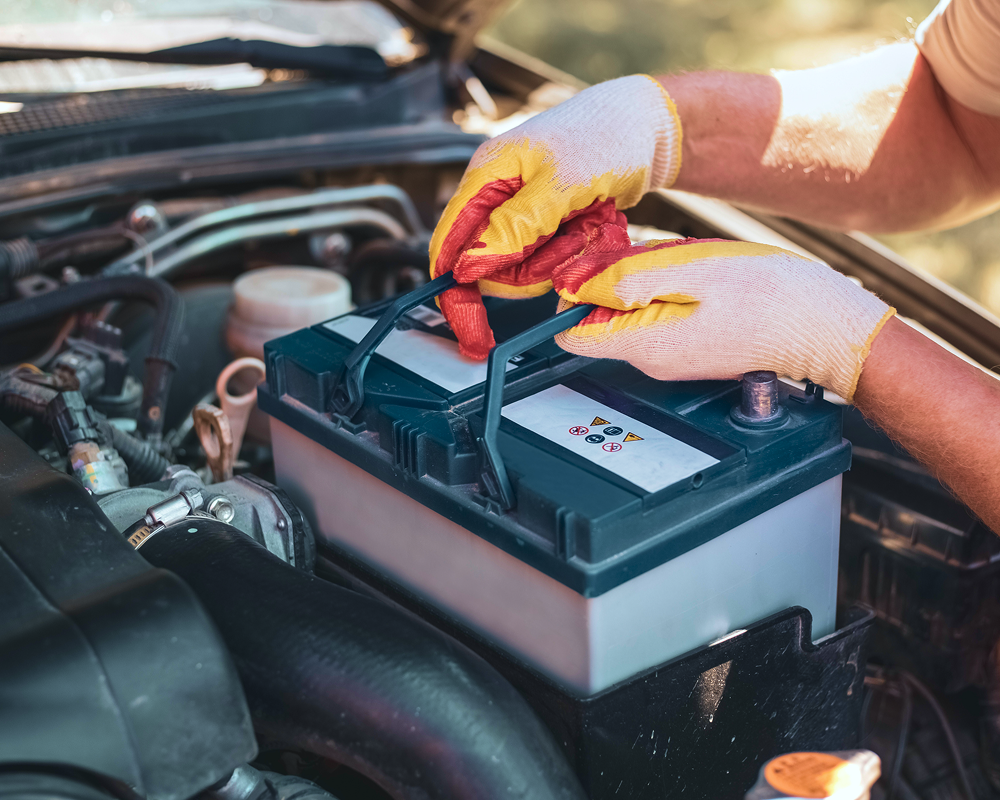
A failing battery often gives warning signs before it leaves you stranded, but those signs can be easy to overlook. We carry out a proper load test that measures both the battery's condition and the alternator's ability to charge it — giving you an accurate picture of the electrical system's health.
What the process involves
- Battery voltage and load test
- Cold cranking amps assessment
- Alternator output test (charging system check)
- Terminal and connection condition check
- Battery replacement if required (with correct coding for applicable vehicles)
When a battery check makes sense
Slow engine cranking on startup, electrical components behaving erratically, dashboard warning lights related to the charging system, or a battery that's over three to four years old are all good reasons to have it tested.