Most drivers are reasonably good at filling up with fuel and booking an annual service. But there's a lot that happens between those two moments — and neglecting it can turn a small issue into a significantly more expensive one. You don't need to be a mechanic to look after your car properly. A handful of habits, checked regularly, can make a real difference to how long your vehicle lasts and how reliably it performs.
Why routine checks matter more than most people think
Modern cars are designed to tolerate a certain amount of neglect. They have warning lights, sensors, and safeguards that give you some buffer before a problem becomes critical. But relying entirely on warning lights is a bit like waiting for your smoke alarm to go off before you check if the oven is on.
The reality is that many faults develop gradually. Tyre wear, fluid levels, brake pad thickness — these don't announce themselves with a sudden bang. They creep up over time, and by the time a warning light appears, there's often more work needed than if the issue had been caught earlier.
Regular maintenance isn't about being overly cautious. It's about understanding your vehicle well enough to notice when something changes — and acting on it before it escalates.
Engine oil — the one check you really shouldn't skip
Engine oil lubricates the moving parts inside your engine. Without it, those parts would grind against each other and cause significant damage in a very short time. Checking your oil level takes about two minutes and should be done every two to four weeks, or before any long journey.
To check the oil, park on a level surface and wait until the engine has been off for at least a few minutes. Pull out the dipstick, wipe it clean, reinsert it fully, then pull it out again. The oil level should sit between the minimum and maximum markers. If it's low, top it up with the correct grade for your vehicle — this information is in your owner's handbook.
Pay attention to the colour and texture of the oil too. Fresh oil is amber and slightly translucent. If it looks very dark, thick, or milky (which can indicate a coolant leak), it's worth having it inspected sooner rather than later.
Tyre pressure and tread depth
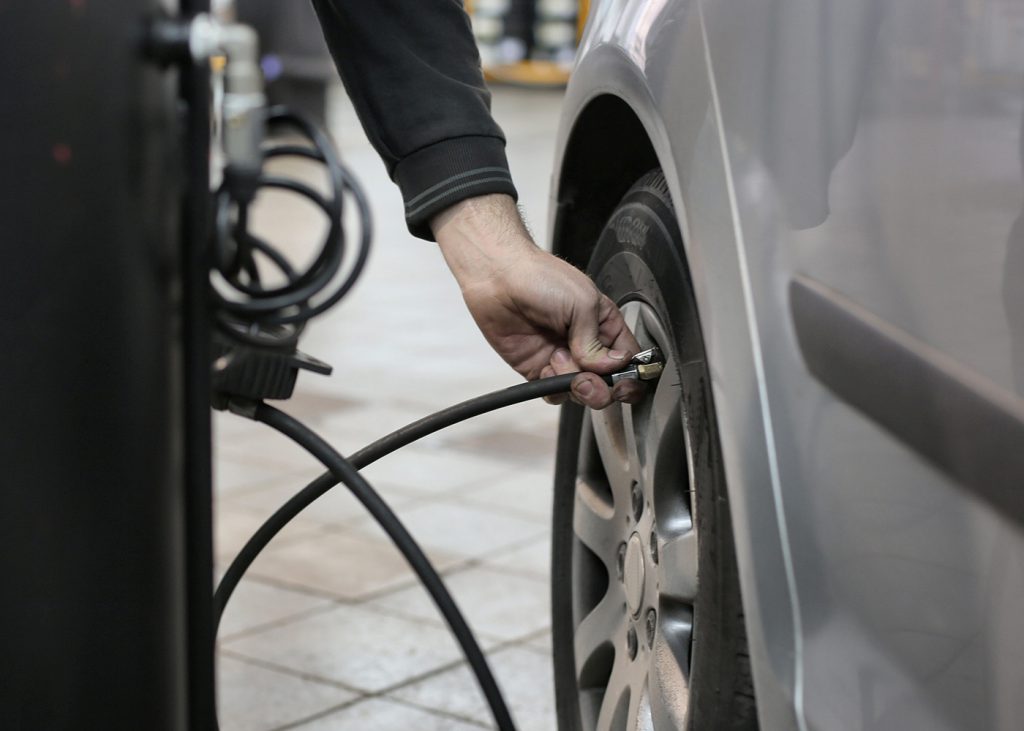
Your tyres are the only part of your car in contact with the road, which makes their condition genuinely important. Both under-inflated and over-inflated tyres affect handling, fuel consumption, and wear rates. Tyre pressure should be checked at least once a month, ideally when the tyres are cold.
The recommended pressure for your vehicle will be printed inside the driver's door frame or in the handbook. Most petrol stations have air pumps available — it takes just a few minutes.
Tread depth is the other key factor. The legal minimum in the UK is 1.6mm across the central three-quarters of the tyre, but most manufacturers recommend replacing tyres before they reach 3mm. You can check this with a cheap tread depth gauge, or use a 20p coin — if the outer band of the coin is visible when inserted into the tread, the tyre may be approaching the legal limit.
Coolant, brake fluid, and windscreen wash
Your car has several fluid reservoirs that need to be kept within the correct range. Most modern vehicles have clearly labelled reservoirs under the bonnet with minimum and maximum markers.
Coolant prevents your engine from overheating in summer and freezing in winter. It should be checked every few months and topped up with the right mixture of coolant and water. If the level keeps dropping despite regular top-ups, it may indicate a leak that's worth investigating.
Brake fluid is a hydraulic fluid that transmits the force from your brake pedal to the braking components. It absorbs moisture over time, which reduces its effectiveness. Most manufacturers recommend changing brake fluid every two years, regardless of mileage. If the fluid looks very dark or the brake pedal feels spongy, it's time to have it checked.
Windscreen washer fluid is the least critical of the three, but driving without adequate washer fluid — especially in winter when roads are salty and gritty — reduces visibility and is a minor hazard worth avoiding.
Lights and wipers
Checking that all your lights work takes about a minute and can be done with the help of a wall or a reflective surface. Walk around the car with the headlights, fog lights, and indicators on. Have someone press the brakes while you check the rear lights, or use a reversing camera if your car has one.
A single blown bulb is straightforward and inexpensive to replace. But driving with a faulty brake light, for instance, is both dangerous and something you could be stopped for by the police.
Wiper blades degrade with UV exposure and general use. If they leave streaks, judder across the screen, or lift at higher speeds, it's time to replace them. Most blades last around twelve months in normal use.
The battery
Car batteries typically last between three and five years, though this varies depending on climate, usage patterns, and the number of short trips you make. Short journeys are particularly hard on batteries because the alternator doesn't have enough time to fully recharge them.
Signs of a weakening battery include slow engine cranking when you start the car, dimming interior lights, or warning lights appearing on the dashboard. If your battery is over three years old and you're noticing any of these signs, it's worth having it tested. Many garages can do this for free.
Brakes
Brake pads wear down gradually, and most have a built-in wear indicator that produces a squealing sound when they're running low. Some vehicles display a warning light instead. Either way, don't ignore these signs — worn pads can score the brake discs, turning a pad replacement into a more expensive disc-and-pad job.
You can also get a rough sense of brake condition by listening and feeling. Grinding or vibration when braking, a longer stopping distance than usual, or a brake pedal that feels soft or travels further than normal are all worth investigating.
Keeping up with scheduled services
All of the above checks are things you can do yourself, between scheduled services. But a proper service goes further — it includes a more systematic inspection of components that are harder to assess visually, such as the condition of suspension components, exhaust system, and steering.
Most manufacturers recommend a service every 12 months or 12,000 miles, whichever comes first. Some newer vehicles have variable service intervals based on oil condition sensors, but it's still worth keeping an eye on the mileage and not letting services slip too far.
A full service history also has a tangible effect on resale value. A well-documented vehicle with evidence of regular maintenance is a much easier sale than one with gaps in the paperwork.
Have questions about your vehicle?
If you're unsure about the condition of any of the components mentioned above, we're happy to take a look. A basic vehicle health check gives you a clear picture of where things stand — with no pressure to proceed with any work.
Book a CheckA few final thoughts
None of this requires specialist knowledge. Most of the checks described above can be done in a car park with five minutes to spare. The goal isn't to turn you into a mechanic — it's simply to give you enough awareness to notice when something changes, and to act on it before the problem compounds.
Vehicles that are well looked after tend to be more reliable, more economical, and significantly cheaper to run over the long term. A little attention, given regularly, goes a long way.